Seafront Promenade or Inland Approach: Two Routes to a Match
Compare a seafront promenade with an inland approach to a match and choose the route that reveals the town, venue setting, or local matchday routine you want to notice.
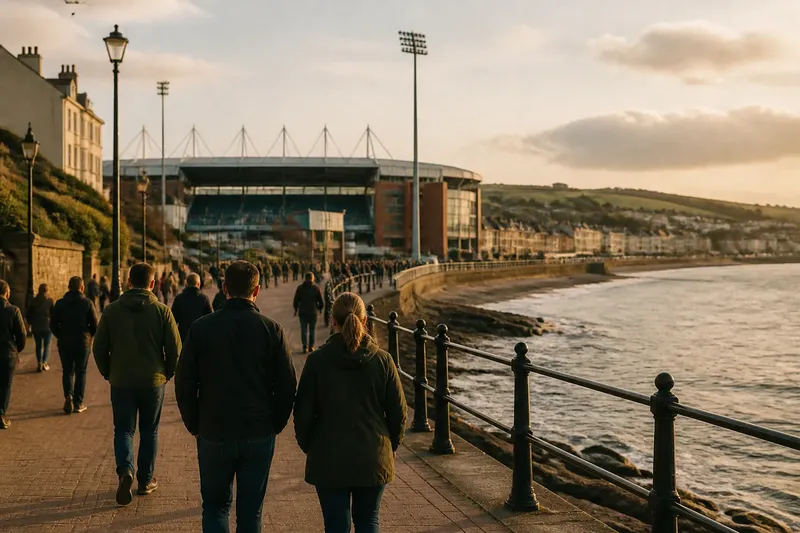
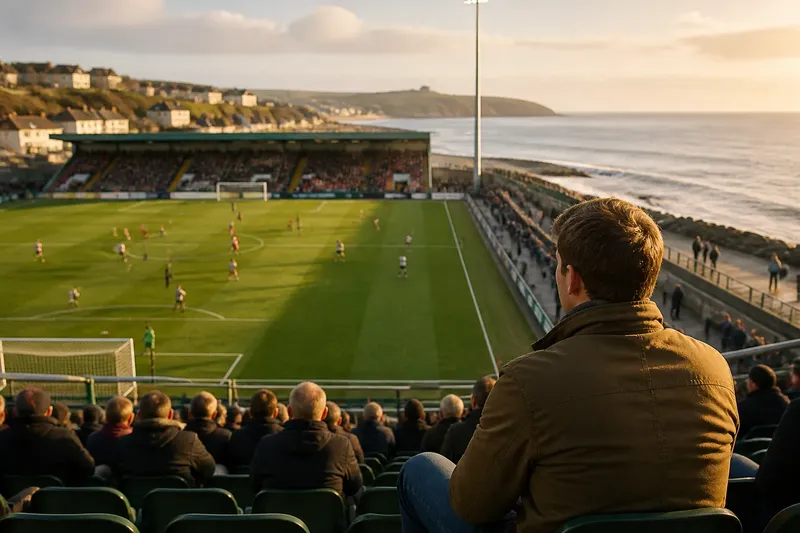
Choose the seafront promenade for a match if you want to notice how the venue meets the water; take an inland approach if you want to see how the ground fits into the town’s everyday streets. The route to a match is not just a way to arrive: it sets your attention before you reach the turnstiles. A coastal sporting venue can feel connected to the promenade, a residential district, or both, depending on the direction you come from.
Neither route is automatically more scenic or more useful. The better choice depends on what you want to notice, how much time you have, and what the venue’s access arrangements allow. Treat the walk as a small act of observation rather than a race to the entrance, and you can arrive with a clearer sense of the place around the match.
What does each route reveal?
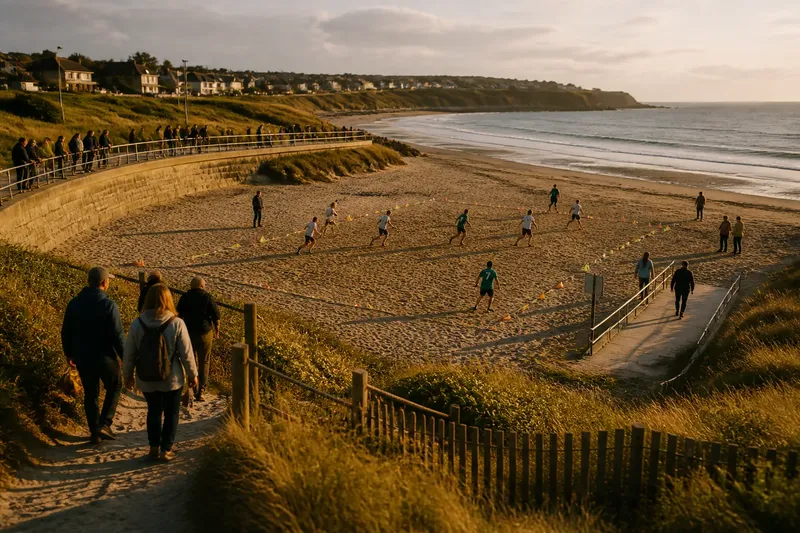
A seafront promenade makes the relationship between sport and shoreline easy to read. You may notice how the stadium or sports ground appears against open water, how the path directs visitors toward the venue, and where matchday foot traffic shares space with people out for a walk. The view can change as the path bends or buildings interrupt it, so pay attention to the approach rather than expecting one uninterrupted panorama.
An inland approach often shows the venue as part of a working town. You may pass shops, housing, bus stops, cafés, or side streets that locals use on ordinary days. These details help explain how visitors arrive and how the matchday crowd fits into the surrounding neighborhood. The ground may become visible only near the end, but the town itself gives context to its location.
Think of the distinction as shoreline setting versus town fabric. That is not a strict divide: a promenade can pass cafés and homes, while an inland street may open onto a sea view. The question is which set of details you want to make your first impression.
Which approach fits your situation?
Pick your route by starting with your purpose. If you are visiting for the first time and want to understand the venue’s coastal setting, the promenade is a natural choice. If you are curious about the town’s matchday routine, or want to see the ground in relation to local streets, approach from inland.
- You have time to look around: Choose the promenade when the shoreline is part of the venue’s identity. You can observe where the path meets access points and how the ground sits within the wider waterside scene.
- You want a feel for local routines: Take an inland route through the streets nearest the venue. Everyday businesses and pedestrian flows can reveal how the match fits into town life.
- You are meeting someone near a landmark: Choose whichever route reaches that agreed point clearly. A promenade entrance, public square, or familiar shop is easier to use as a meeting place than a vague instruction to “meet by the ground.”
- You have limited time before the event: Use the approach with the clearest, permitted access and the least uncertainty. Save scenic detours for another visit rather than risking a rushed arrival.
- You already know the venue: Try the route you have not used before. A different direction can make familiar buildings, access points, and neighborhood connections easier to notice.
- You want a quieter walk: Consider which path is likely to suit your pace and comfort on that day. A busy promenade or crowded street can feel different during a match, so follow local signs and the venue’s access guidance.
Say you are visiting a coastal rugby ground for the first time and have a little time before kickoff. You want to understand why the venue is described as a waterside ground, so you choose the promenade and watch where the buildings frame the water and where the route turns toward the entrance. The expected result is a clearer sense of the ground’s setting, not a claim that the promenade is the best way for every visitor to arrive.
What should you notice along the way?
On the promenade, look for transitions. Does the public path continue close to the ground, or does it turn away before the entrance? Are there signs, barriers, or changes in paving that distinguish a public walking route from event access? These features show how the venue shares the seafront without requiring you to cross into restricted areas.
Also notice who else uses the route. People walking dogs, cycling, or stopping by the water may be part of the usual promenade scene, while supporters move toward the match. The contrast can make the venue’s place in local public life visible. Keep to marked paths and avoid blocking the way when stopping to look.
On an inland route, notice how the ground announces itself. You might see club colors, directional signs, a crowd gathering at a corner, or businesses adjusting their usual rhythm for matchday. Compare the streets closest to the venue with those farther away: the shift can show where the event begins to shape the neighborhood.
Street names, bus stops, and visible pedestrian crossings also help you understand the approach without relying on a map alone. If the route passes a familiar local landmark, use it to orient yourself for the return journey. The aim is not to collect details for their own sake, but to see how ordinary town geography channels visitors toward a shared destination.
How can you compare the two routes?
If both approaches are open and practical, make the comparison simple. Use one route on the way to the match and the other when leaving, if the venue’s layout and your plans make that possible. On arrival, focus on what each route makes visible before the venue entrance. On departure, notice whether the crowd disperses toward the shoreline, inland streets, or transport links.
Do not assume that the route you take in one direction will be available in the other. Event operations, temporary barriers, tide or weather conditions, and local access arrangements can affect movement. Follow signs and staff directions, and check the venue’s current visitor information before choosing a detour.
If you cannot use both routes, compare what each would be likely to show from a map or a clear public viewpoint. Look for the promenade, the nearest main streets, and the venue’s public entrances. A map helps you frame the choice, while the walk itself tells you what the surroundings feel like at matchday pace.
What should you know before choosing a route?
Is the promenade always open on matchday?
No. Public access can vary with event arrangements or local conditions, and a route beside the water may not lead to the venue entrance. Follow posted signs and use the designated approach if access is restricted.
Will the inland route show the town better?
It can, especially if it passes active streets and local businesses, but the route may also run through a quiet or residential area. Choose it for the chance to see the venue in its neighborhood, not because every inland walk will be lively.
Can I use one route to arrive and the other to leave?
Often this is a useful way to compare the approaches, provided both routes remain accessible and suit your onward plans. Check the venue layout and follow matchday directions rather than assuming that entry and exit use the same paths.
What if I only care about reaching my seat?
Choose the clearest official approach and allow yourself enough time to follow signs and locate the correct entrance. You can still notice the surrounding setting without taking a detour.
How do you make the choice before setting out?
Start with one question: what do you want to notice before the match? Choose the promenade for the connection between the ground and the shoreline; choose inland streets for the venue’s relationship with the town. If your priority is a smooth arrival, let the designated access route take precedence over either preference.
Seafront promenade or inland approach is a useful choice because each route offers a different first reading of the same venue. One draws your eye toward the water and shared public space; the other brings the neighborhood and its matchday habits into view. Keep your plan flexible, use the paths that are open, and let the direction you take shape what you notice as the venue comes into sight.
Before you leave, pick a return landmark—a signed promenade junction, a bus stop, or a recognizable corner shop. That small decision makes it easier to orient yourself after the crowd disperses and gives the route a practical purpose beyond the walk in.