The Sea-View Seat Is Not Always the Best View
Choose a sea-view seat for matchday with a simple viewing plan that weighs sightlines, crowd movement, and attention to play before you buy.
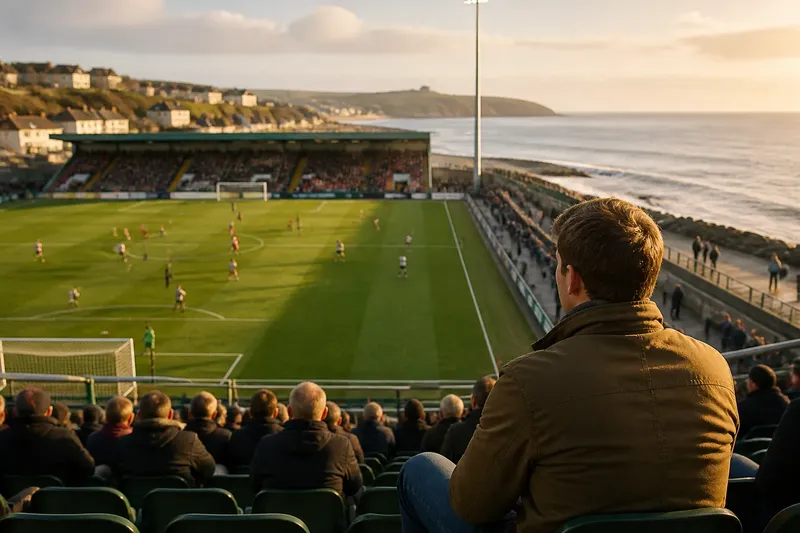
The best sea-view seat for a match is the one that lets you follow play without spending the afternoon looking past a rail, a passing crowd, or the scenery. A seat with an uninterrupted view of the water may be memorable, but the clearest experience often comes from a different part of the ground. A little planning across the days before matchday can help you choose deliberately.
What do you need to see from your seat?
Start with the sport, not the postcard view. In football, you may want to read the shape of the whole pitch: where the ball is, how players move into space, and what is happening away from the immediate contest. In cricket, a view that makes the bowler, batter, and field easy to track may matter more than seeing the shoreline behind the boundary. At a small coastal ground, a low barrier or a sharp change in level can interrupt those sightlines.
Think about how you watch, too. If you follow the ball closely, a clear view of the main playing area may be enough. If you like to notice team movement or tactical choices, a more central, elevated position can make it easier to scan across the action. A seat can be scenic and still suit your needs, but the view of the water should be one part of the decision, not its only measure.
Write down what you most want to follow: the whole field, a particular end, the players’ movement, or the crowd’s response. That short list gives you a useful standard when comparing sections later.
How should you plan the week before a coastal match?
Use the week as a simple sequence of checks, with each one answering a different question. Begin with information the venue already provides, then refine your choice as matchday gets closer.
- Several days before: Open the venue’s seating map and identify the playing area, entrances, stairs, accessible spaces, and any sections shown as standing areas. Note where a sea-facing side sits in relation to the action.
- A few days before: Look for a current ground photo or seating-view image from the venue. Check whether the image shows the field from seated eye level, and whether rails, posts, roofs, or nearby structures cross the view.
- Before buying: Read the seat description carefully. If it is unclear whether the view is restricted or whether the section is seated or standing, contact the venue rather than assuming.
- The day before: Check the venue’s matchday information for gate locations, bag rules, and any notes about queues or internal routes. These details can affect how much of the warm-up you see and how you reach your seat.
- On matchday: Arrive with time to find the entrance and settle in. If permitted, compare the view from your assigned place with what you expected, then keep to the venue’s directions and your allocated section.
For example, imagine you are choosing between a sea-facing corner seat and a central row at a waterside football ground. The map shows that the corner is beside a busy walkway, while the central row has a clearer angle across both halves. If following team movement is your priority, you would lean toward the central row; if you mainly want a relaxed view and the corner’s sightline is unobstructed, the sea-facing option may still suit you.
How can you judge sightlines before buying?
Look for what could block your view at the height you will actually watch from. A plan view can show where a seat is, but it cannot always reveal whether a handrail cuts across the field, whether a roof support sits in front of one section, or whether the pitch slopes away from a low row. Photos taken from a nearby seat can help, but treat them as clues rather than a perfect match: camera position and lens can make a view seem wider than it feels in person.
Also consider the angle to the playing surface. A position close to a corner may bring you near the action at one end but make play at the opposite end harder to read. A high seat can offer a broader view, while a low seat may make players feel closer. Neither is automatically better; the useful question is which lets you follow the parts of the game you care about without constant head-turning.
If the venue offers a choice of rows, compare the sightline above the people in front, not just the view toward the field. A seated crowd can rise during an exciting moment, and standing sections can be less predictable. Check the venue’s seating and standing arrangements before you decide, especially if a clear, continuous view is important to you.
Where do crowd movement and attention fit?
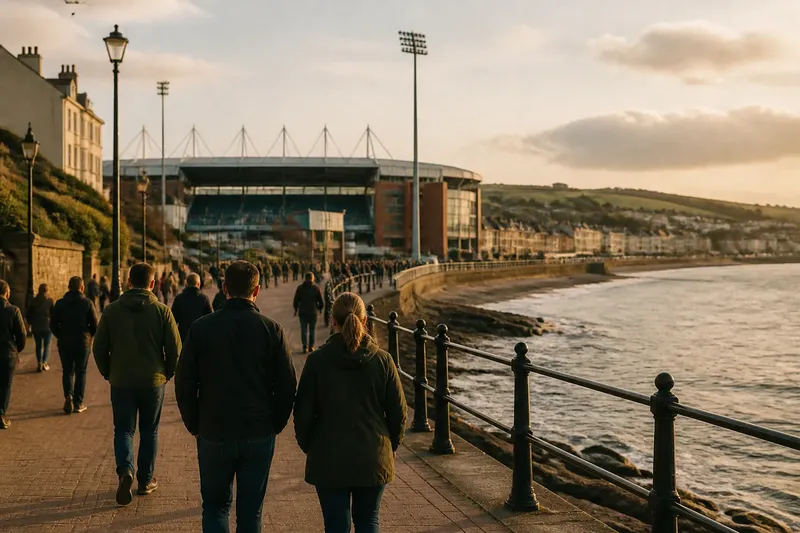
At a compact seaside ground, the route to a seat may pass close to spectators, food counters, or a narrow concourse. That movement can be part of the matchday atmosphere, but it can also draw your attention away from play. Consider whether people are likely to cross your line of sight during the match, not only before kick-off. A seat beside a gate or stairway may see repeated arrivals and exits.
Noise and scenery also compete for attention in different ways. A bright horizon can make a seat feel open and calm, while a lively stand can keep your focus on the match through shared reactions. If you enjoy glancing at the water between phases, a sea-facing seat may be a pleasure. If you would rather keep track of play without interruption, choose a position where your eyes naturally return to the field.
Accessibility and comfort belong in the same decision. Check the venue’s published information for step-free routes, seating support, toilets, and places to pause. If you need an accommodation that is not clearly described, ask the venue staff before booking so you can choose a suitable section and entrance.
Which questions help settle the choice?
Is an elevated seat always better for following play?
Not always. Height can make movement across the field easier to read, but a distant or sharply angled seat may make individual action harder to see. Compare the full view you want with the distance and angle shown in the venue’s seating information.
Should I choose a seat facing the sea?
Choose it if the shoreline is part of the experience you want and the playing area remains clear from that section. If the sea-facing side has obstructions or frequent foot traffic, a less scenic seat may keep your attention on the match more comfortably.
What if there are no seat-view photos?
Use the seating map, section descriptions, and venue contact details to ask specific questions about rails, supports, and walkways. A clear answer about the likely sightline is more useful than guessing from a distant ground photo.
Can I move to an empty seat during the match?
Do not assume you can change places. Grounds may reserve seats for other spectators or restrict movement between sections, so follow staff directions and the venue’s stated policy.
What should you do if the view is not what you expected?
At the ground, settle into your assigned space and check the view from the position you will use, rather than leaning into an aisle or blocking another spectator. If a feature of the seat seriously obstructs play, speak to an usher during a suitable break. Staff can explain what options are available, but movement depends on the venue’s rules and whether another place is free.
If you cannot change seats, adjust how you follow the match. Use the scoreboard for context, listen for announcements, and focus on the area of play that remains visible. For a future visit, note the section, row, and the specific obstruction or distraction you encountered. That record will make your next comparison more useful than remembering only that the view felt disappointing.
The best sea-view seat is a personal balance: enough shoreline to enjoy the setting, enough open sightline to follow the action, and a route into the stand that suits you. Before your next coastal match, compare the sea-facing section with one that gives you a stronger view of play. That small check can help you choose a seat that feels right from the opening moments through the walk back out.